MSK Assessments & Custom Foot Orthoses
Both practitioners provide comprehensive MSK and biomechanical assessments, and custom foot orthoses to help improve movement and comfort.
Biomechanical Assessment
Our body works much like the moving parts in a car engine – lots of individual components working together most of the time. And, just like a car, as time goes by, things can slowly move out of alignment or out of sync. We might start to feel something isn’t right — a bit of discomfort, a strange movement, or pain that appears unexpectedly.
A biomechanical assessment helps identify these subtle changes by examining how your joints and muscles function together. It’s like taking your car to a mechanic to see what’s going on under the bonnet — so we can understand what changes are causing your symptoms and how to get you moving comfortably again.
Who needs a biomechanical assessment?
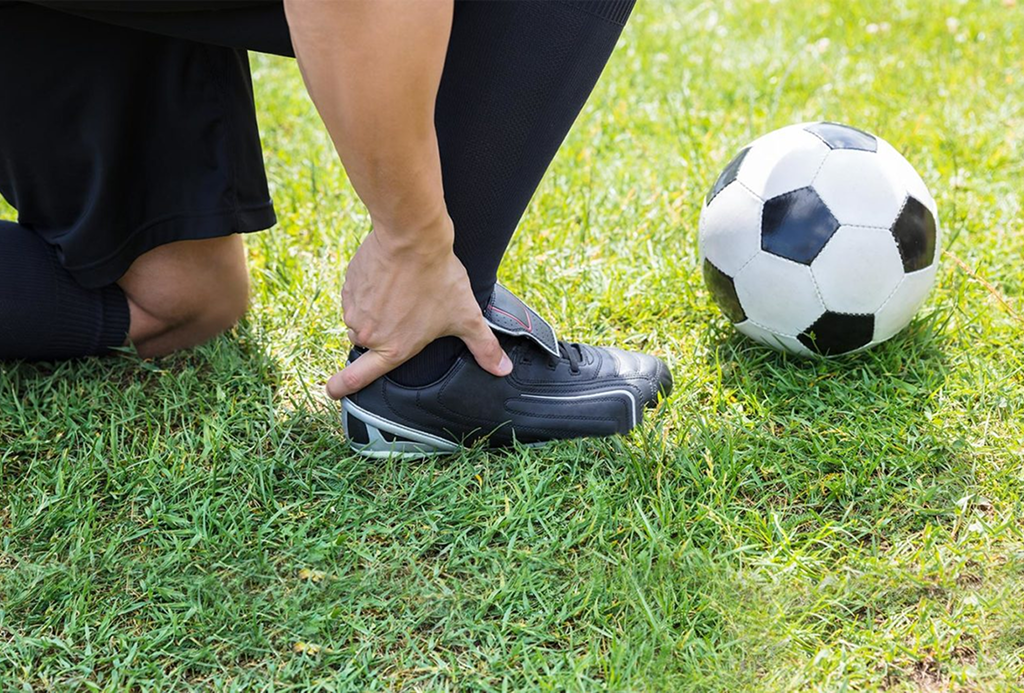
Anyone experiencing issues while walking, running, or performing physical activities may benefit from a biomechanical assessment. Recurrent aches, pains, or changes in foot shape — such as lowered arches or clawed toes — may indicate an underlying problem. You may have been referred by a podiatrist, physiotherapist, osteopath, orthopaedic surgeon, or GP, or you might simply feel that something isn’t quite right with the way you move.
Both practitioners assess and treat children and adults with a variety of conditions and abilities. Having personal experience as an elite-level athlete (trialling for the England football team), Daud also treats professional and recreational athletes across different sports.
What does a biomechanical assessment involve?
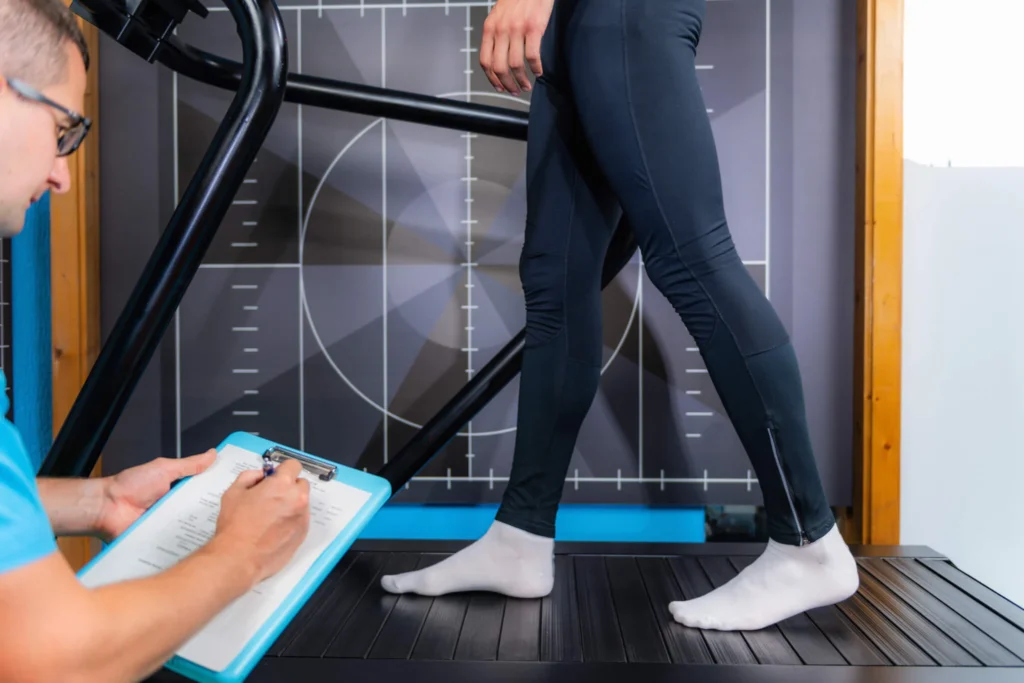
A biomechanical assessment looks at how the joints and muscles of your legs and feet work together. Typically, your knees, ankles, and feet are examined both while standing and sitting. You may be asked to walk so Daud can observe how your feet function in motion, especially in complex cases. Once the underlying cause of your symptoms is identified, suitable treatments — such as stretches, exercises, manipulations, or orthoses (custom insoles) — can be recommended.
If further investigation is required, such as an X-ray, MRI, or blood test, Daud can advise how to arrange this through your GP or privately, and we will only communicate with other healthcare professionals with your consent.
What should I bring to a biomechanical assessment?
When attending a biomechanical assessment, we recommend going through the following checklist:
- Wear loose trousers that can be rolled above the knees, or bring shorts to change into.
- Bring any previous orthoses or insoles, even if they didn’t help.
- Bring a few pairs of shoes you usually wear everyday and sports shoes.
- Bring a list of relevant information, such as injury history, surgeries, or current medications.